
First foal of the year brings joy to the team at Glenda Spooner Farm Rescue and Rehoming Centre
Posted on 11/04/2024
Share


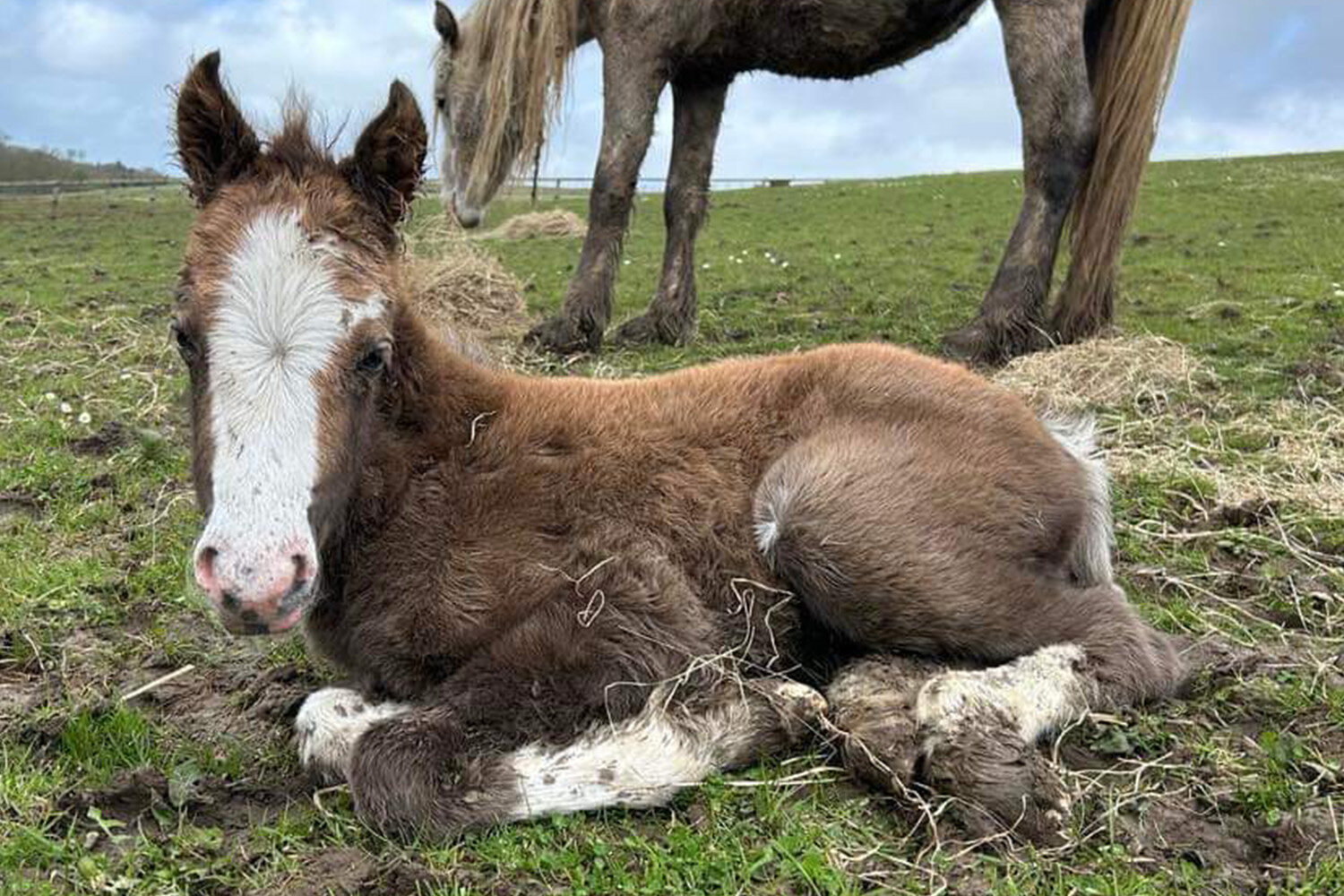
The first foal of the year has been born without complications at our Glenda Spooner Farm Rescue and Rehoming Centre in Somerset. Poppy, a spirited chestnut filly, was born to Parsley who arrived at the farm last October as part of a large welfare case. Despite facing numerous challenges early on, including lice, worms, and a profound fear of humans, Parsley has demonstrated remarkable resilience and embraced her role as a mother.
“Watching any foal is heartwarming, and Poppy is already showing her playful spirit. She has delighted in running around in the mud — a current challenge for us here and for many horse owners after this wet winter — and enjoying her rests after the tiring activities of being a young foal.”
Sara Jerman – Assistant Farm Manager at Glenda Spooner Farm
Poppy’s arrival is a beacon of hope and symbolises a promising future for horses that have faced neglect or abuse. We rescue approximately 300 horses annually, highlighting the critical situation in the UK where thousands of horses are in need of homes due to overbreeding. In light of this, we launched a “Do You Need to Breed?” campaign to highlight the consequences of excessive breeding and encouraging responsible horse ownership. By choosing to rehome rather than breed, horse lovers can help ensure that every horse has the chance of a safe and loving home.
Visitors are welcome at Glenda Spooner Farm where they will have the opportunity to meet many of the horses undergoing rehabilitation. The farm is open to the public from 11am to 4pm on Wednesdays, Saturdays, and Sundays, providing an enjoyable opportunity to see the impact of our work first-hand.
Share
Topics
Related News
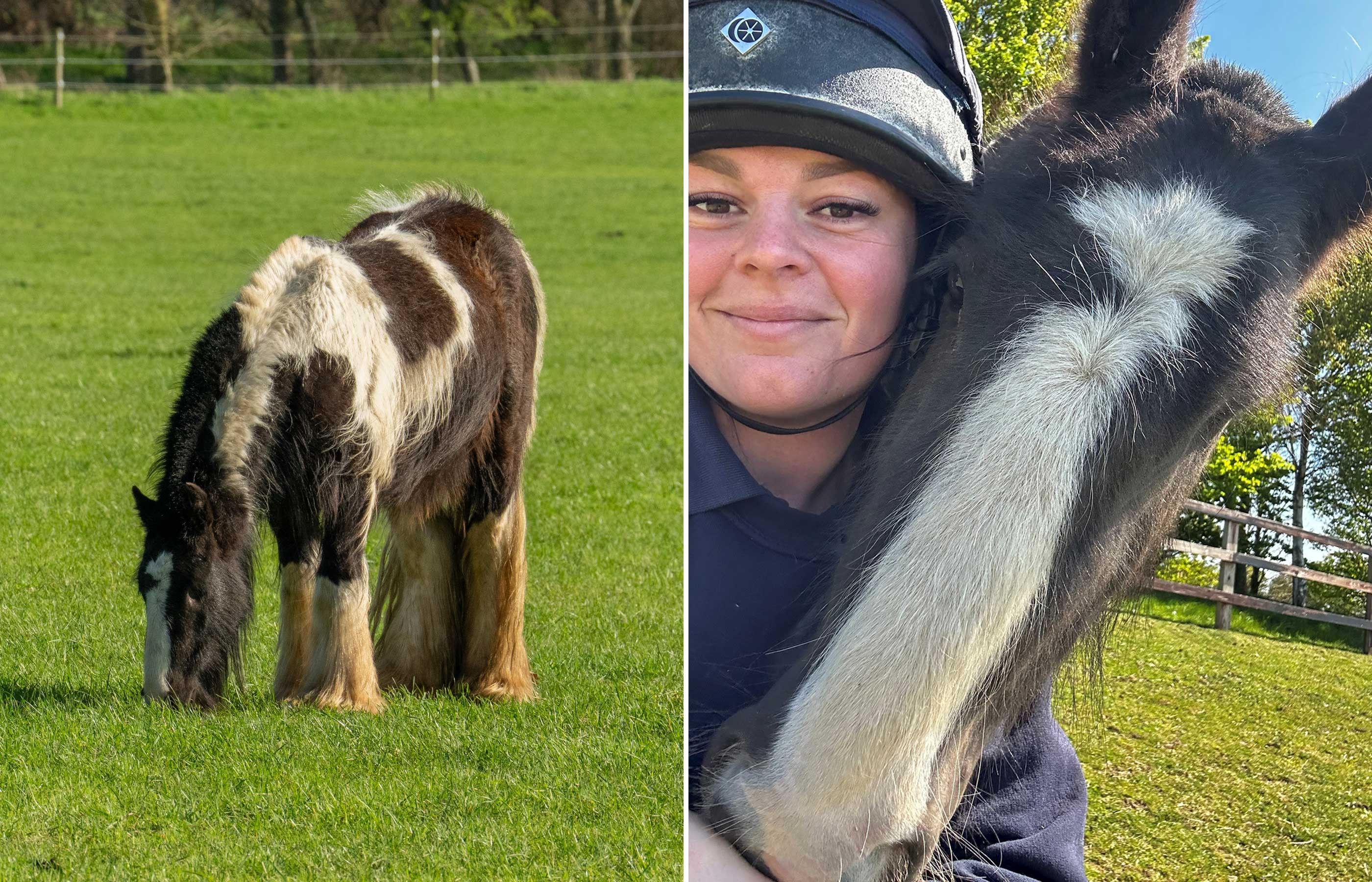
One-eyed pony thriving after charities collaborate to save him
‘Pirate Pete’ sails into new life thanks to joint rescue by the RSPCA and World Horse Welfare.
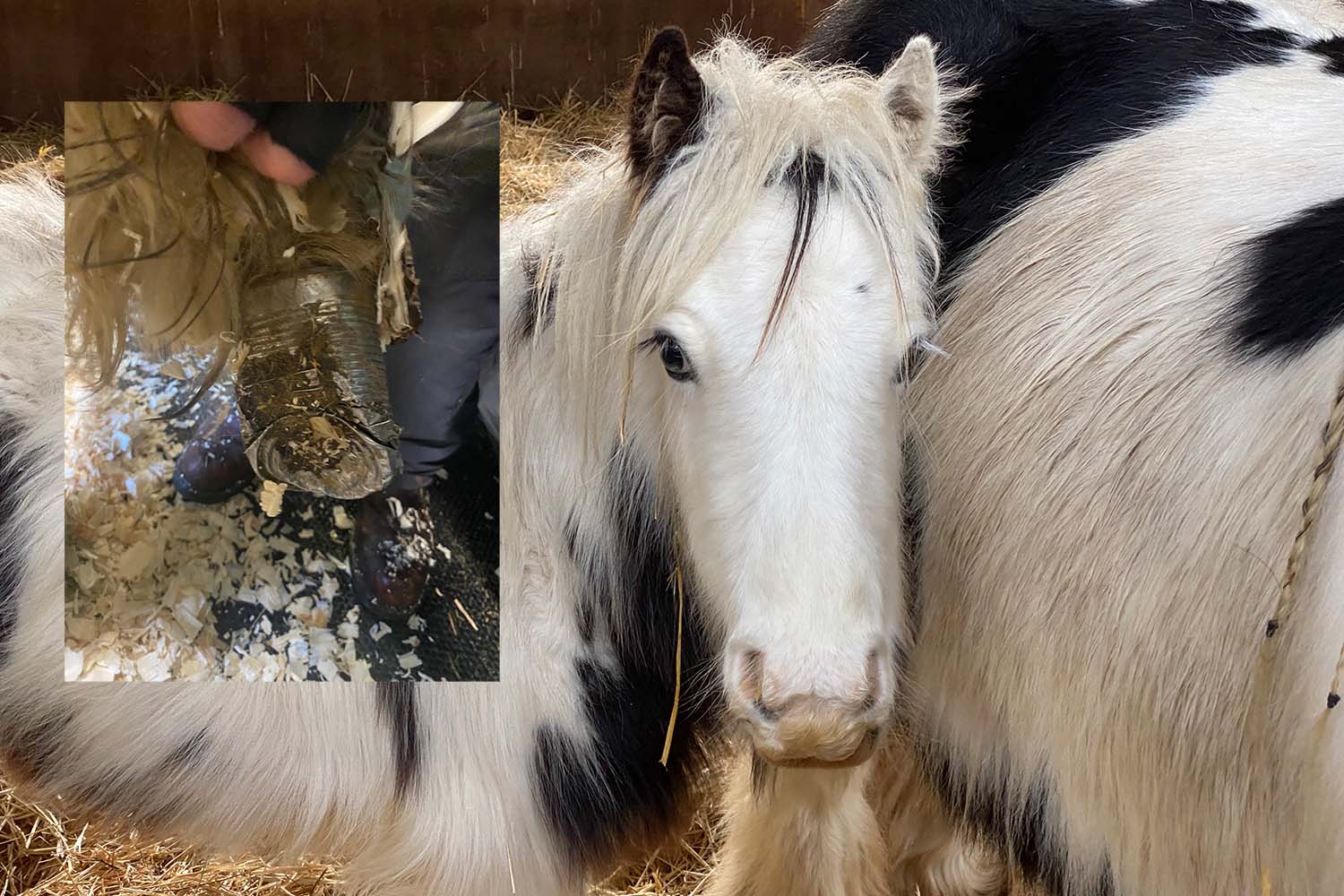
Disbelief at what was on rescued foal’s foot
Our Field Officers never know what they will find when they attend a welfare concern. Little Tintin certainly took us all by surprise though!
Recommended Blog Posts
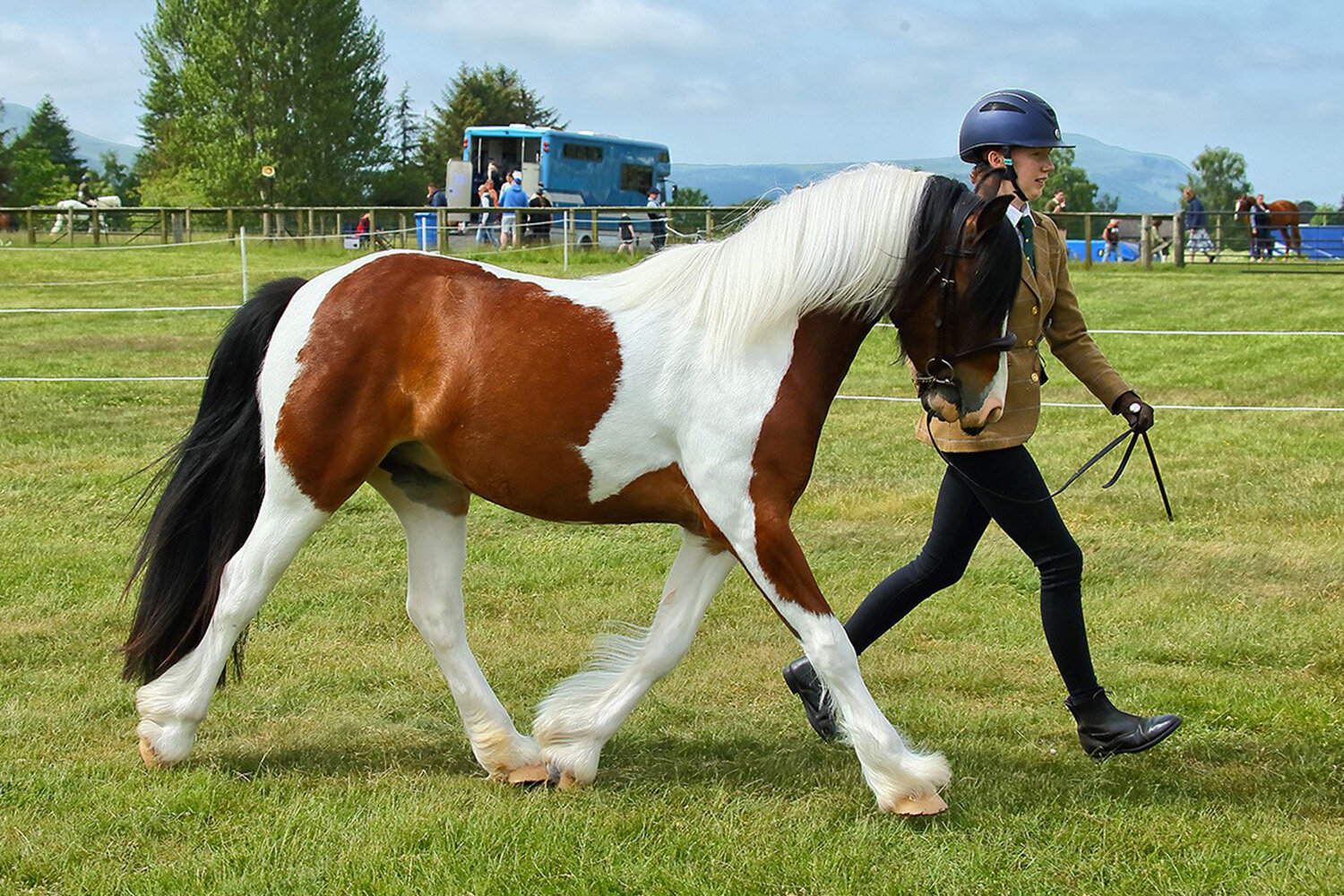
We catch up with Cadbury and his rehomer on National Chocolate Day
The sweetest rescue pony makes the most of his second chance with rehomer Lucy.
A day with the vet: scans and x-rays
Claire Dickie, Glenda Spooner Farm Centre Manager, describes some of the cases looked at in the course of a vet day.
Buena’s story – how our foals are cared for from birth to rehoming
Senior Groom Steph introduces lovely filly Buena and explains how the team care for foals from birth right through to finding them a loving home for youngster handling.
Enjoy reading stories like this?
Join over 65,000 other horse lovers and sign up for our email newsletter
Join over 65,000 other horse lovers and sign up for our email newsletter
Sign me up now
