
Catalina’s invisible suffering
We shed a light on Catalina's suffering - now she is healthy and her wounds are healed.
Posted on 12/08/2016
Share


We first met Catalina in 2010. Her owner came to one of our projects in Honduras, Central America, to discuss the horrendous open sores Catalina had on her. The poor pony was in agony from the injuries caused to her by her ill-fitting harness.
Sadly, in Honduras many people rely on their working equids to make a living and, without them, would have no income or transport. Frequently, working horse owners struggle to support their families on what they earn, let alone their horses. They cannot earn a living without their horse, pony or donkey and yet a lack of nearby resources make it impossible for them to take the best possible care of the animals. Catalina’s owner did not have the luxury of a local saddler or farrier and, if he had, the chances of being able to pay for their time and expertise was slim. With no approachable experts, Catalina’s suffering was invisible.
Thankfully, World Horse Welfare had begun to work in the area, training their first group of farriers, saddlers and Community Based Equine Advisors (CBEAs). All of our experts are trained to us locally-sourced, affordable materials so that everyday, local working horse owners are able to take better care of their horses and ponies.
We were able to offer our help to Catalina’s owner and shine a spotlight on her suffering, giving him a better understanding of what she needed in order to be more comfortable. Farriers and saddlers completed their training and began to work within their communities, providing much-needed care and equipment to the working horse owners.
A year later, Catalina was hardly recognisable. A properly-fitting, cost-effective harness had been produced for her, ending the constant injury she had been subjected to. Her hooves had been well-maintained by her newly-trained farrier and her owner had been able to take the advise of the CBEAs throughout the year.
Catalina is one of thousands of working horses whose lives we have been able to directly, tangibly improve. In all of our projects, equine experts are serving more and more working equines and their owners are happy to approach us for help and advice, making their horses visible.
However, there are still more horses to help. We want to expand our international projects and help even more – but we can’t do it without you. Please donate today.
Share
Topics
Related News

International coalition of charities brings together Commonwealth vets to tackle working equid welfare
The International Coalition of Working Equids hosted a workshop as part of the 7th Pan Commonwealth Veterinary Conference.

World Horse Welfare and The Donkey Sanctuary welcome agreement with OIE, the global body for animal welfare
"A good day for animal and equine welfare."
Recommended Blog Posts

Reflections on our relationship with the Balmoral Estate
Centre Manager Eileen reflects on Belwade Farm’s connection with Balmoral Estate – the Scottish residence of our late monarch Her Majesty Queen Elizabeth II – over the years.
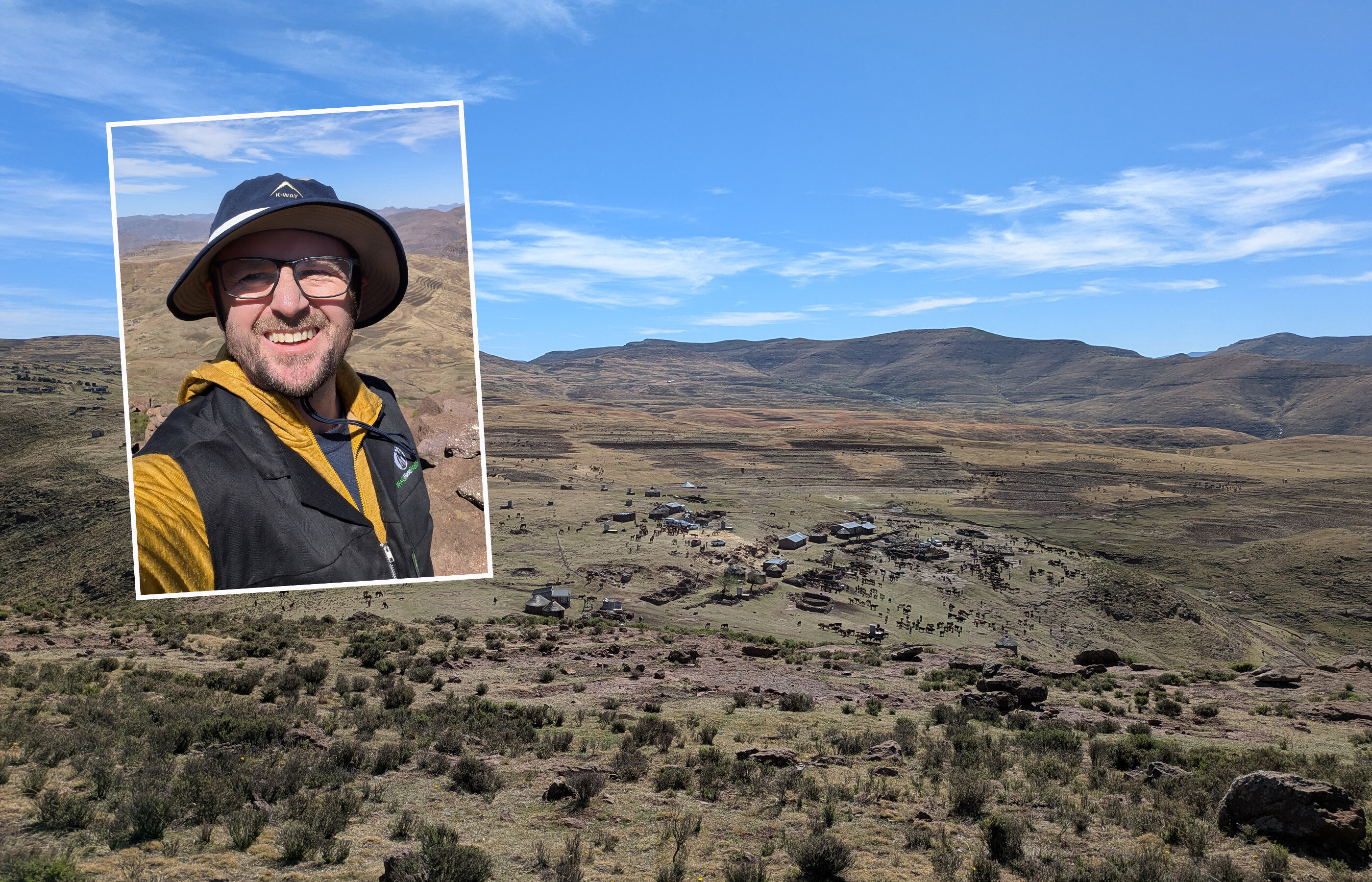
Delivering real, lasting change for horses in Lesotho
Find out what happens when more than 200 volunteers get together to help horses in need.
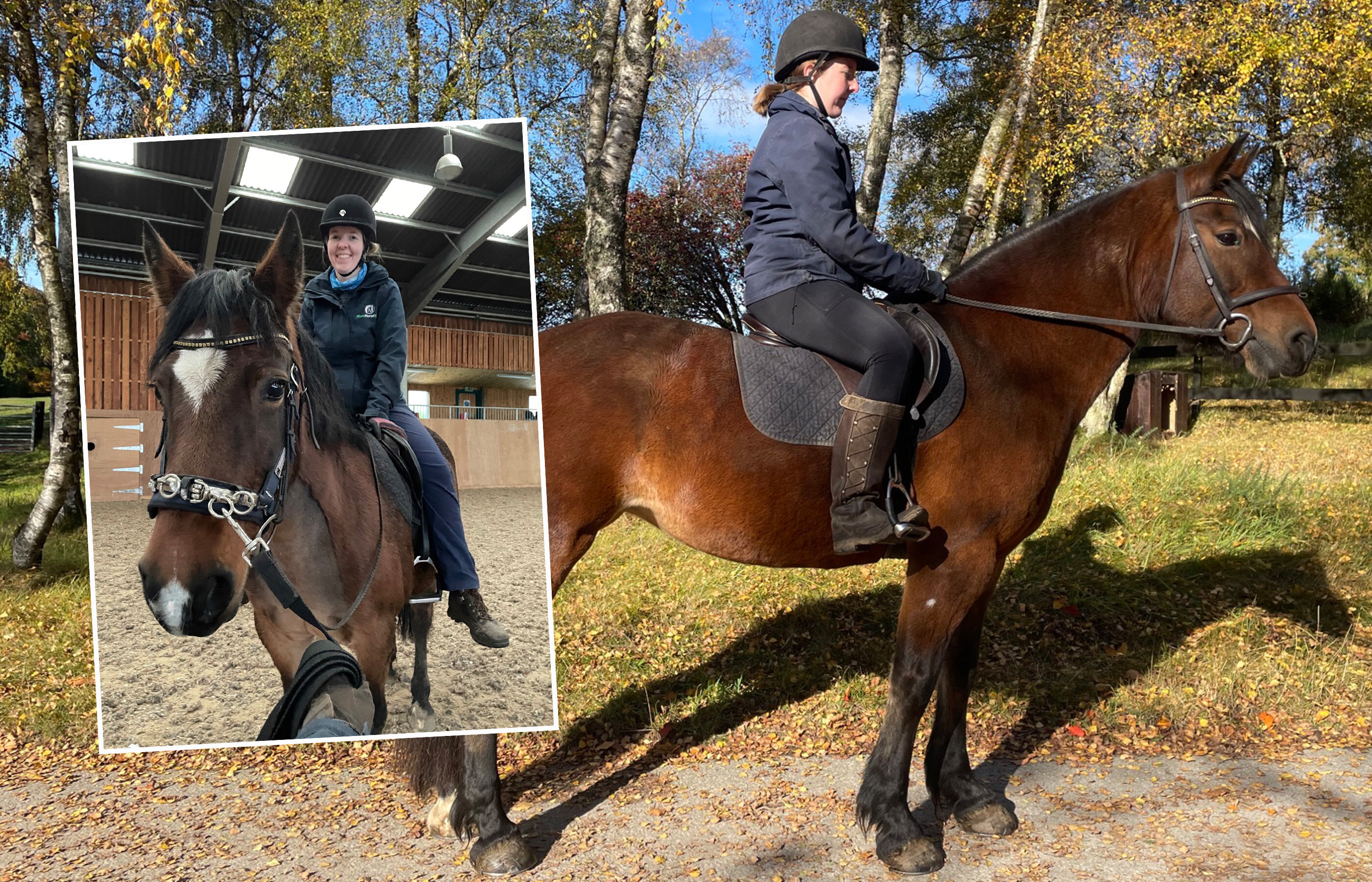
Training and backing horses in our care
We catch up with groom Claire at Belwade Farm Rescue and Rehoming Centre to find out more.
Enjoy reading stories like this?
Join over 65,000 other horse lovers and sign up for our email newsletter
Join over 65,000 other horse lovers and sign up for our email newsletter
Sign me up now
